
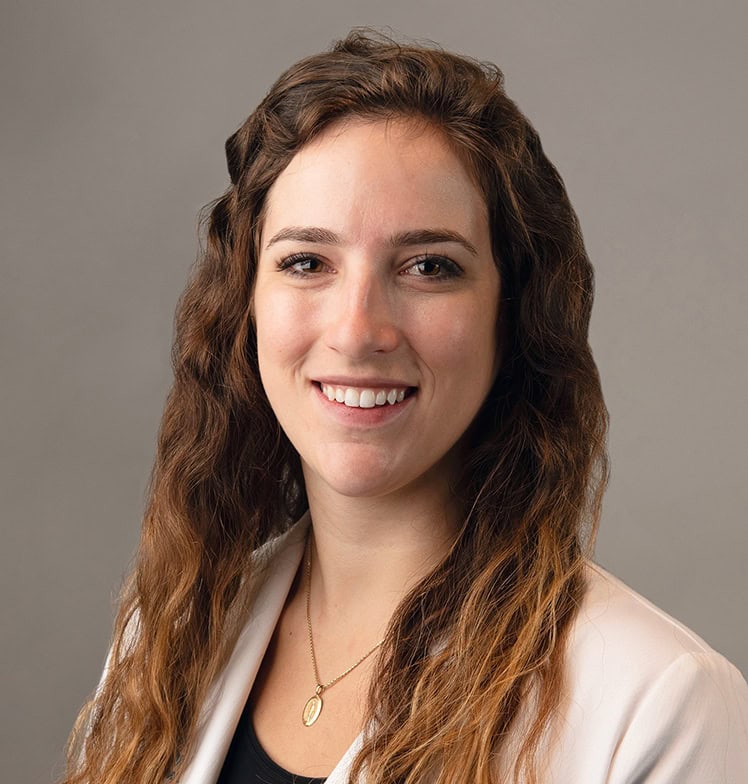
By Kelsey English, M.D., Board-Certified Emergency Medicine Physician, Amanecia Health
If you live in Dallas-Fort Worth and you have tried to get timely care from a doctor who actually knows you, you already understand the problem. The Metroplex has excellent hospitals and no shortage of clinics. What it does not have is easy access. A new-patient appointment with a good primary care physician can take weeks. Specialist referrals take longer. And when something flares up on a Saturday, your realistic options are an emergency room or an urgent care staffed by someone who has never met you.
That gap is what concierge medicine is built to close. It is also why I practice the way I do at Amanecia Health.
What Concierge Medicine Actually Is
Concierge medicine is a model of care where you work directly with a physician-led care team that knows you, is reachable when you need it, and has the time to actually manage your health instead of rushing a 12-minute visit. There is no wall of staff between you and the people directing your care. No three-week wait for an opening. No being sent to the ER for something that does not belong in an ER.
At Amanecia Health, we operate on a direct-pay model. No membership fees, no annual contracts, no minimum visit requirements. You pay for the care you receive, and HSA and FSA payments are accepted. That is a real distinction. Some concierge practices charge a retainer simply to be on a patient list. We kept the parts of concierge medicine that serve patients and removed the parts that feel like a country club.
How It Works in Practice
When you become a patient at Amanecia in Dallas-Fort Worth, here is what that actually looks like.
You schedule a consultation by telemedicine or, if you prefer, an in-home visit. We see patients across the Metroplex, from Dallas and Fort Worth to Plano, Frisco, McKinney, Arlington, Southlake, Highland Park, University Park, and the surrounding communities.
Your first visit is a real conversation. I want to understand your health history, your current medications, what is bothering you, and what your goals are. If labs are needed, we order them. If imaging is needed, we coordinate it. If you need a specialist, we make the referral and follow up to make sure you actually get in, usually within days rather than months.
From there you have direct access to your care team. Not a call center. Not a generic nurse line. When something comes up between visits, you can reach us by text, call, or video, including evenings and weekends. Patients tell me this is the part that matters most: knowing the people directing your care will respond when you actually need them.
Why an Emergency Physician Practices This Way
I am a board-certified Emergency Medicine physician. I served as Chief Resident at Dell Medical School, and I trained under Dr. Ann Czarnik, who co-founded Amanecia Health.
Emergency medicine is demanding training. It teaches you to make fast, high-stakes decisions with incomplete information, and to recognize quickly what is serious and what is not. That judgment is valuable. But the emergency department does not let you build relationships. You treat, you stabilize, you hand off, and you rarely learn what happened next.
What I saw repeatedly in the ER was patients arriving with problems that could have been caught earlier, managed better, or prevented entirely if they had a physician who was paying attention before things escalated. Concierge medicine lets me bring emergency-trained clinical judgment into a setting where I can actually know the people I am caring for, follow their health over time, and act before a small problem becomes an emergency.
That is what Amanecia is. A practice led by emergency-trained physicians who chose to practice differently, not because emergency medicine was not valuable, but because we saw clearly what was missing on the other side of it.
What We Treat
Concierge medicine is not built around a single service. At Amanecia Health in Dallas-Fort Worth, our physician-led care team provides:
Medical weight loss with GLP-1 medications, including semaglutide and tirzepatide, with full lab work, physician oversight, and ongoing dose management.
In-home urgent care for illnesses and injuries that need attention now but do not require an emergency room.
Telemedicine visits for follow-ups, prescription management, and medical questions.
Hormone replacement therapy for patients dealing with fatigue, weight changes, mood shifts, or other symptoms of hormonal imbalance.
Wellness and longevity services, including peptide therapy and other treatments aimed at long-term health rather than just acute problems.
Most patients start with one service and stay, because having a physician who understands their full health picture turns out to be valuable. Weight loss patients ask about hormones. Urgent care patients realize they want a doctor available for more than emergencies. That is how concierge medicine is supposed to work.
How to Choose a Concierge Doctor in Dallas-Fort Worth
If you are evaluating concierge medicine in Dallas, TX or anywhere in the Metroplex, here are the questions worth asking.
Who is leading your care? Is it a board-certified physician, or a rotating cast of providers with no continuity? At Amanecia, your care is led by a board-certified Emergency Medicine physician who oversees your treatment plan.
Will the same team know your history each time? Continuity is not a luxury. It is how good medicine works. If no one truly understands your history and your medications, no one can manage them well.
What happens between appointments? If you have a question at 8 PM on a Wednesday, can you reach someone who knows you? At Amanecia, the answer is yes.
Is there a membership fee? Some concierge practices charge thousands per year just to be on the roster. Amanecia does not. You pay for care, not for access.
Do they treat more than one thing? Many patients who start with weight loss also want help with hormones, energy, sleep, or longevity. Having one physician-led team managing all of it, rather than a separate provider for each concern, is a meaningful advantage.
Common Questions Dallas-Fort Worth Patients Ask
How much does concierge medicine cost?
Amanecia operates on a direct-pay, no-membership model. Consultation fees and treatment costs vary by service. We accept HSA and FSA payments. No insurance required, no surprise bills.
Do I need to give up my primary care doctor?
No. Many patients keep their existing primary care physician for insurance-covered annual physicals or specific referrals. Amanecia is complementary. Some patients eventually transition to using us as their primary medical relationship because they prefer the access and continuity.
How fast can I get an appointment?
Same-day and next-day appointments are available for most services. For urgent concerns, we can often accommodate you within hours.
Do you accept insurance?
Amanecia operates outside the insurance system. That lets us spend more time with each patient, avoid the restrictions insurers place on care, and keep scheduling flexible. HSA and FSA funds can be used for eligible services.
What areas in Dallas-Fort Worth do you serve?
We see patients across the Metroplex, including Dallas, Fort Worth, Plano, Frisco, McKinney, Arlington, Southlake, Highland Park, University Park, and surrounding communities, through telemedicine and in-home visits.
The Bottom Line
Concierge medicine is not a luxury product. It is a better way to receive medical care. A physician-led team that knows you, is accessible when you need it, and takes the time to manage your health rather than just react after a problem escalates.
If you are in Dallas-Fort Worth and looking for a doctor who will take your health seriously, not just fill a prescription and disappear, I would welcome the conversation.
Related Reading
- What Is Concierge Medicine? A Houston Physician’s Guide
- What Is Concierge Medicine? An Austin Physician’s Guide
- Brand-Name vs. Compounded GLP-1 Medications
Kelsey English, M.D. is a board-certified Emergency Medicine physician and the Dallas-Fort Worth market lead for Amanecia Health. She served as Chief Resident at Dell Medical School and trained under Amanecia co-founder Dr. Ann Czarnik. She sees patients across the Metroplex through telemedicine and in-home visits.
Schedule a consultation with Dr. English in Dallas-Fort Worth.